Unlocking Creative Potential: A Comprehensive Guide to the Vintage Ribbons Brush Stamp
In the ever-evolving landscape of digital design, the demand for unique, hand-crafted aesthetics has never been higher. Designers, marketers, and hobbyists alike are constantly searching for tools that bridge the gap between traditional artistry and modern efficiency. Enter the Vintage Ribbons Brush Stamp, a versatile digital asset that has quickly become a staple for those looking to add a touch of nostalgia and elegance to their projects. This article explores what this tool is, why it matters, and how you can leverage it to elevate your creative work.
What Is the Vintage Ribbons Brush Stamp?
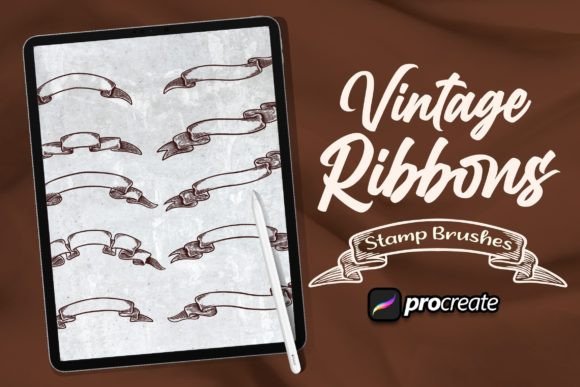
At its core, the Vintage Ribbons Brush Stamp is a collection of pre-designed digital brush strokes that mimic the appearance of classic, ornate ribbons. Unlike standard geometric shapes or flat vector lines, these brushes are crafted to replicate the texture, flow, and imperfections of physical ribbon materials. They capture the essence of vintage typography and illustration styles from the late 19th and early 20th centuries, offering a ready-made solution for adding decorative flair to digital compositions.
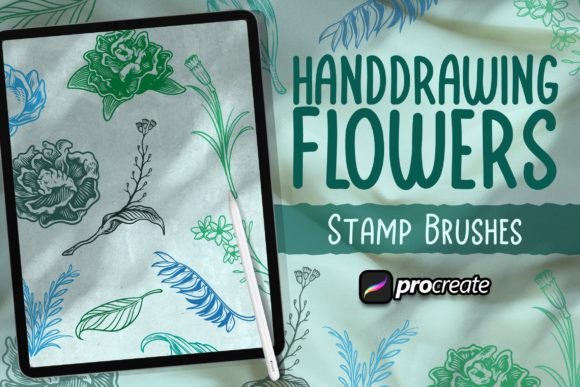
When we discuss a "brush stamp" in the context of graphic software like Adobe Photoshop, Procreate, or Affinity Designer, we are referring to a tool that allows users to paint with complex shapes rather than simple pixels. Instead of drawing a ribbon line by line, which requires significant skill and time, you simply click or drag your cursor, and the software stamps a perfectly formed ribbon segment onto your canvas. This package includes everything you need—for example, making logos, illustrations, or special backgrounds—without the steep learning curve associated with manual illustration.
The Significance of Vintage Aesthetics in Modern Design
You might wonder why vintage styles remain so popular in an era dominated by minimalism and flat design. The answer lies in emotional connection. Vintage aesthetics evoke feelings of warmth, authenticity, and craftsmanship. In a digital world that can often feel sterile or generic, elements like vintage ribbons provide a human touch. They suggest heritage, quality, and attention to detail.
For businesses, using these elements can help differentiate a brand. A coffee shop using vintage ribbon banners in its logo suggests tradition and artisanal quality. A wedding invitation designer using these brushes conveys romance and timeless elegance. Understanding this psychological impact is crucial for anyone looking to use the Vintage Ribbons Brush Stamp effectively.
Practical Applications: Where to Use Your Brushes
The versatility of this tool is one of its greatest strengths. It is not limited to a single type of project. Here are several practical ways to integrate these brushes into your workflow:
- Logo Design: Ribbons are excellent for framing text. You can create a badge-style logo where the company name sits atop a flowing ribbon, adding depth and structure to the brand identity.
- Illustrations: Whether you are creating character art or scenic landscapes, ribbons can serve as dynamic compositional elements. They can guide the viewer’s eye through the image or add movement to static scenes.
- Special Backgrounds: By layering multiple ribbon stamps with varying opacities and colors, you can create intricate, textured backgrounds that add visual interest without overwhelming the foreground content.
- Packaging and Labels: For product designers, these brushes are invaluable for creating mockups of labels, seals, and certificates that require a premium, old-world look.
How to Use the Vintage Ribbons Brush Stamp
One of the most common misconceptions among beginners is that using custom brushes requires advanced technical skills. In reality, using a brush is very simple – just place the brush strokes and select the appropriate brush from the brush panel. Here is a step-by-step breakdown to help you get started:
- Installation: First, ensure the brush file is loaded into your preferred graphic design software. Most packages come with easy-to-follow instructions for importing .abr (Photoshop) or .brushset (Procreate) files.
- Selecting the Tool: Open your brush panel. You will see the Vintage Ribbons Brush Stamp listed among your tools. Click to select it.
- Adjusting Settings: Before you start painting, adjust the size and opacity. For delicate details, reduce the size; for bold statements, increase it. Experiment with flow settings to achieve a more natural, hand-painted look.
- Placement: Click once to stamp a single ribbon element, or click and drag to create a continuous flow. Remember, you can always undo and retry until the placement feels right.
- Customization: Once stamped, you can change the color, add drop shadows, or apply blending modes to integrate the ribbon seamlessly with other elements in your design.
Tips for Achieving Professional Results
To truly master the Vintage Ribbons Brush Stamp, consider these professional tips. First, avoid using the default black color. Vintage designs often thrive on muted palettes—think sepia, dusty rose, slate blue, or cream. Second, pay attention to layering. Place your ribbon behind text if you want the text to pop, or in front if you want to create a sense of depth and enclosure. Finally, do not be afraid to combine different brushes from the package. Mixing a wide, flowing ribbon with a smaller, tighter curl can create a more dynamic and balanced composition.
Common Misunderstandings Clarified
Many users assume that because these are "stamps," they will look repetitive or artificial. This is a misunderstanding of how modern brush engines work. High-quality brush packs like the Vintage Ribbons Brush Stamp often include variation settings. This means that even if you use the same brush twice, slight randomizations in rotation, size, or texture can make each stroke appear unique. Additionally, because these are vector-based or high-resolution raster images, they can be scaled up or down without losing quality, ensuring your designs remain crisp whether viewed on a mobile screen or a large print banner.
Another assumption is that these tools are only for professional graphic designers. On the contrary, they are incredibly useful for educators creating engaging classroom materials, small business owners designing social media posts, or bloggers looking to spruce up their headers. The barrier to entry is low, but the ceiling for creativity is high.
The Broader Impact on Creativity and Workflow
Incorporating tools like the Vintage Ribbons Brush Stamp into your toolkit is not just about saving time; it is about expanding your creative vocabulary. When you remove the technical hurdle of drawing complex shapes from scratch, you free up mental energy to focus on composition, color theory, and storytelling. This shift allows for more experimentation. You might try a layout you previously avoided because you didn't have the skills to draw the decorative elements. Now, those elements are at your fingertips.
Furthermore, in an educational context, these tools can help students understand the principles of design. By manipulating pre-made elements, learners can focus on balance, contrast, and hierarchy without getting frustrated by the mechanics of drawing. It serves as a scaffold, supporting beginners as they develop their artistic eye.
Conclusion
The Vintage Ribbons Brush Stamp is more than just a digital asset; it is a gateway to a richer, more textured design aesthetic. Whether you are crafting a logo for a new startup, illustrating a children's book, or designing a wedding invitation, these brushes offer a blend of convenience and charm that is hard to replicate manually. By understanding how to use them effectively and recognizing their place in modern design trends, you can unlock new levels of creativity in your work.
Remember, the key to great design is not just having the right tools, but knowing how to use them to tell a story. With the Vintage Ribbons Brush Stamp, you have everything you need to start telling yours with elegance and style. Explore the package, experiment with different combinations, and let your creativity flow.
For more resources on digital design tools and techniques, consider exploring our other guides on typography basics and color theory for beginners. Happy designing!