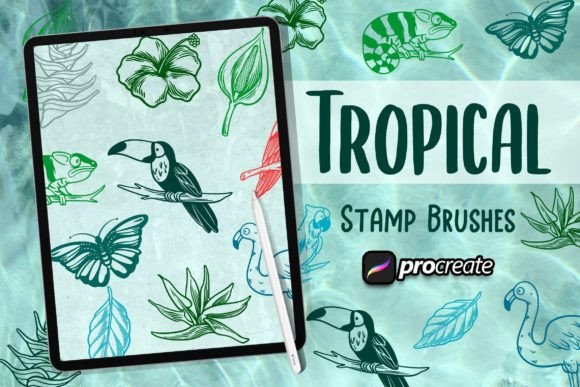
Integrating the Tropical Element Brush Stamp into Your Creative Workflow
In the fast-paced world of digital design, efficiency is not just a luxury; it is a necessity. Whether you are a freelance graphic designer juggling multiple client deadlines, a small business owner managing your own branding, or a hobbyist looking to elevate your personal projects, the tools you choose define the quality and speed of your output. This is where specialized assets like the Tropical Element Brush Stamp become invaluable. Rather than starting from scratch with every leaf, flower, or pattern, this package provides a curated library of pre-designed elements that streamline the creative process without sacrificing aesthetic quality.
Understanding how to effectively incorporate these brushes into your broader design strategy requires more than just installation. It demands a clear view of where they fit within your project lifecycle. From initial concept sketches to final logo refinement, the Tropical Element Brush Stamp serves as a versatile building block that interacts seamlessly with other software tools and design methodologies.
Defining the Asset and Its Role in Design
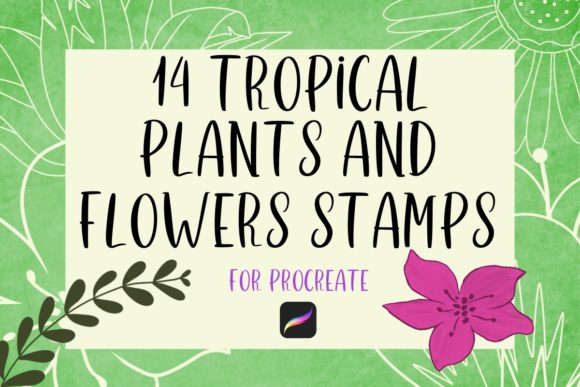
The Tropical Element Brush Stamp is not merely a collection of images; it is a functional toolset designed for dynamic application. Unlike static clipart, which can feel rigid and out of place, brush stamps allow for organic placement, rotation, and scaling. This package includes everything needed to create logos, illustrations, or special backgrounds, offering a cohesive visual language centered around tropical themes. The inclusion of diverse elements ensures that users can maintain consistency across different media types, from social media graphics to printed packaging.
For professionals, the value lies in the reduction of repetitive tasks. Drawing intricate palm fronds or hibiscus flowers by hand is time-consuming and requires a high level of illustrative skill. By utilizing a brush stamp, you bypass the technical hurdle of drawing while retaining the artistic control of composition. This shift allows designers to focus on higher-level decisions such as color theory, layout balance, and brand messaging, rather than getting bogged down in minute details.
Pre-Production: Preparation and Compatibility
Before diving into a specific project, successful integration begins with preparation. Ensuring that your software environment is compatible with the brush files is the first step. Most modern design platforms support standard brush formats, but verifying compatibility prevents workflow interruptions later. Once installed, organization is key. A common mistake among creators is dumping new assets into a general folder, making them difficult to locate during high-pressure deadlines.
Create a dedicated library or panel group for your tropical assets. Label them clearly if the software allows, categorizing them by element type—such as foliage, flowers, or textures. This organizational habit pays dividends when you are in the flow state. When you know exactly where to find a specific monstera leaf or a textured background stamp, you maintain momentum. Furthermore, consider the resolution and scalability of the brushes. High-quality stamps should remain crisp when scaled up for large-format prints or down for intricate logo details. Testing a few strokes on a blank canvas helps establish baseline expectations for opacity, spacing, and texture.
Execution: Practical Application in Real Workflows
Using a brush is very simple—just place the brush strokes and select the appropriate brush from the brush panel. However, simplicity in mechanics does not imply simplicity in artistry. The true power of the Tropical Element Brush Stamp emerges when you combine multiple elements to create unique compositions. For instance, when designing a logo, avoid using a single stamp in isolation. Instead, layer different leaves and flowers to build a custom emblem that feels bespoke rather than generic.
Consider the workflow for creating a special background. Start with a base color that complements the tropical palette. Select a subtle texture brush from the package and apply it sparingly to add depth without overwhelming the foreground content. Next, introduce larger floral elements at the corners or edges to frame the space. By varying the opacity and size of each stamp, you create a sense of dimension and movement. This technique is particularly effective for marketers creating eye-catching social media posts or educators designing engaging presentation slides.
Another practical application is in illustration. If you are creating a scene, use the brushes to populate the environment quickly. Place larger trees in the background and smaller plants in the foreground to establish perspective. Because the stamps are designed to work together, they share a consistent stylistic DNA, ensuring that the final illustration looks cohesive. This consistency is crucial for brand identity, where disjointed visual elements can confuse the audience and dilute the message.
Integration with Other Tools and Methods
The Tropical Element Brush Stamp does not exist in a vacuum. It interacts with various other tools and resources in your toolkit. For example, combine these brushes with vector shapes to create hybrid designs. Use a brush stamp for organic details and clean vector lines for text or geometric borders. This contrast between organic and structured elements often results in visually striking compositions that appeal to modern aesthetics.
Color customization is another critical aspect of integration. While the brushes may come with default colors, their true versatility is unlocked when you adjust hues to match specific brand guidelines. Most design software allows you to recolor brush strokes dynamically. Experiment with non-traditional tropical colors, such as pastels or neon tones, to give your designs a contemporary twist. This adaptability makes the package suitable for a wide range of industries, from eco-friendly product labels to vibrant event invitations.
Furthermore, consider how these assets fit into collaborative workflows. If you are working with a team, ensure that everyone has access to the same brush library. This standardization ensures that all team members produce work that aligns with the project’s visual direction. Sharing preset files or library links can facilitate this process, reducing the need for constant feedback loops regarding stylistic inconsistencies.
Quality Control and Long-Term Use
Maintaining quality over time requires regular review of your usage patterns. Are you relying too heavily on a single element? Diversify your application by exploring less frequently used stamps in the package. This practice keeps your portfolio fresh and demonstrates the full range of your creative capabilities. Additionally, stay updated with any software patches or brush format updates that might enhance performance or add new features.
For entrepreneurs and small business owners, the long-term value of the Tropical Element Brush Stamp lies in its reusability. Once you have established a set of go-to combinations, you can replicate them across different marketing materials, saving hours of design time. This efficiency translates directly into cost savings and faster turnaround times for client projects. However, always customize the final output to avoid a cookie-cutter appearance. Small adjustments in arrangement, color, and scale can make the difference between a template-like design and a unique creative piece.
In conclusion, the Tropical Element Brush Stamp is more than a digital asset; it is a strategic tool for enhancing productivity and creativity. By understanding its role in your workflow, preparing your environment, and integrating it with other design methods, you can unlock its full potential. Whether you are crafting a logo, illustrating a scene, or designing a background, this package offers the flexibility and quality needed to meet professional standards. Embrace the simplicity of the tool, but apply it with intention and creativity to achieve outstanding results.